 AtticShield


Why the right insulation matters. If you’re a homeowner in San Diego County, Temecula, Lake Elsinore, or anywhere in Southern California, you already know how important insulation is. It keeps your home cool during heatwaves, warm during chilly nights, and your energy bills under control year-round.
But when it comes to attic insulation, one of the biggest decisions you’ll face is this: batts insulation vs. blown-in insulation — which one should you choose?
At Attic Shield, we’ve helped hundreds of homeowners make this decision based on their home’s structure, energy needs, and budget. In this post, we’ll break down the key differences between the two — including cost, installation, performance, and use cases — so you can confidently choose the best insulation for your attic.
1.What Is Batt Insulation?
Batt insulation (also called blanket insulation) comes in rolls or pre-cut panels. It’s typically made from fiberglass, mineral wool, or cotton. Installers manually fit the batts between joists or studs in attics and walls. Key features:
- Comes pre-sized for standard framing dimensions and joist spacing
- Installed by hand — laid or stapled into place
- Available faced (with vapor barrier) or unfaced
- Common in new construction and open-framing remodels
Material variety within the batt family runs wider than the pink stereotype: fiberglass dominates on price and availability, mineral wool brings superior fire and sound performance at a premium, and cotton/denim batts serve the sustainability-first niche. Each fits the same framing logic and inherits the same fitting discipline — the family trait is the method, not the fiber.
The facing option is batts’ one genuinely unique card: kraft or foil facing bonds a vapor retarder directly to the material, which matters in assemblies that call for one — and it’s why certain new-construction specs and specific wall details still write batts by name. In an open Southern California attic floor retrofit, that card rarely gets played; in the right assembly, nothing else plays it.
Batts are what most people picture when they hear ‘insulation’ — and the picture explains both their appeal and their weakness. Pre-sized panels install intuitively in pre-sized framing; the trouble begins where real attics stop being pre-sized, because every wire, pipe, can light, and odd bay demands a hand-cut fit, and every imperfect fit is a permanent thermal gap.

2.What Is Blown-In Insulation?
Blown-in insulation is a loose-fill material — fiberglass, cellulose, or mineral wool — that’s blown into attics or wall cavities using specialized equipment. It fills gaps, voids, and irregular spaces with a dense layer of thermal protection. Key features:
- Applied using a specialized blowing machine and delivery hose
- Excellent for retrofits, top-offs, and hard-to-reach areas
- Creates a tight thermal blanket that resists air movement
- Can be added over existing insulation
History note for the curious: blowing equipment professionalized in the retrofit booms of the 1970s energy crisis, precisely because the nation’s existing housing stock needed insulating without opening walls and ceilings — the exact problem batts cannot solve. Half a century later, that is still the method’s home turf: the house that already exists.
The equipment behind the method deserves its cameo: a hopper machine conditions and aerates the compressed material, a long hose delivers it, and a trained technician at the nozzle distributes it in controlled lifts while a second crew member feeds the machine. The settings — air mix, feed rate — are part of the craft, which is one honest reason blown-in insulation stays a professional method while batts tempt weekend warriors.
Note that blown-in insulation names a method, not a material — the same bags of cellulose or fiberglass feed the machine, and each material carries its own coverage chart; our cellulose vs. fiberglass guide settles the material question this article deliberately leaves open. The method’s genius is indifference to complexity: the hose does not care how weird your framing is.

3.Round 1: Installation Process
Batt insulation: installed manually, piece by piece; requires precise cutting around wires, vents, and joists; more time-consuming and labor-intensive; higher risk of air gaps if not installed perfectly.
Blown-in insulation: installed quickly using a blower machine; fills small gaps, corners, and voids with minimal effort; much faster and easier to apply in large or obstructed spaces.
Winner: blown-in insulation — easier and faster to install, especially in complex attics.
Worker-safety economics ride along quietly: less crawling in extreme-heat attics, shorter exposure windows, and fewer awkward-position hours per job favor the hose on hard attics — and crews that work safer work better. It’s not a line item on your estimate, but it’s in the quality of what gets installed above your bedroom.
Access adds its own asymmetry: batts must physically travel to every bay — a technician crawling the far reaches of a low attic with material in hand — while the blowing hose reaches where people barely can. In attics with tight eave runs, low rooflines, or awkward hatches, the method decision is sometimes made by the geometry before anyone opens a catalog.
The labor difference compounds in ways the summary hides: a batt crew’s pace is set by the attic’s worst obstruction, while a blowing crew’s pace is set by the machine. On a clean tract-home deck the gap narrows; on a 1960s attic with three remodels’ worth of wiring, it becomes the difference between an afternoon and a long day — and labor hours are project cost wearing work boots.

4.Round 2: Coverage & Air Resistance
Batt insulation: provides uniform coverage if fitted properly; struggles to seal around obstacles; may leave thermal gaps and allow air leakage.
Blown-in insulation: fills all voids, corners, and penetrations tightly; great at resisting air movement and preventing thermal bridging; creates a dense, continuous insulation layer.
Winner: blown-in insulation — superior coverage and a continuous thermal layer.
You can see the coverage difference yourself with one flashlight test on a cold morning or hot afternoon: a batt attic shows its joist grid — the framing lines visible like ribs above the material — while a full-depth blown attic shows an unbroken field. Thermal cameras dramatize the same picture: grid lines glow on one, quiet uniformity on the other. Your eyes are calibrated well enough for this inspection.
Thermal bridging — the verdict’s quiet technical term — deserves its plain-language minute: wood framing conducts heat better than insulation does, so every exposed joist top is a small thermal highway through the blanket. Batts sit between joists and leave those highways open; blown-in insulation at full depth buries the framing entirely, closing them. It’s one of those invisible details that separates an attic that meets code from one that performs.
‘If fitted properly’ is the phrase carrying that entire batt paragraph, and building science has quantified how rarely it happens: gaps, compression, and voids measurably degrade batt performance below the printed rating, while loose fill flows around obstructions automatically. One honest caveat cuts both ways, though — neither method replaces true air sealing of the ceiling plane underneath, which is why sealing precedes material on every scope we write.

5.Round 3: R-Value — Thermal Performance
Batt insulation: fiberglass batts typically R-2.9 to R-3.8 per inch; pre-measured to standard R-values — R-13, R-30, R-38, and so on.
Blown-in insulation: cellulose runs R-3.2 to R-3.8 per inch; loose-fill fiberglass R-2.2 to R-2.7; and the method can be blown to any thickness for higher total R-value.
Winner: depends on material — but blown-in cellulose has the highest per-inch performance.
The any-thickness advantage also future-proofs: energy codes tighten on a cycle, and a blown attic meets tomorrow’s target the same way it met today’s — more inches through the same hatch, over the same field, in a short visit. That’s why our default spec runs to R-44 now: buying above today’s bar while the crew is already there costs least and lasts longest.
Layering rules matter when batts do stack: the second layer runs perpendicular to the first and unfaced — a buried vapor retarder between layers invites condensation trouble. Details like that are exactly why ‘DIY-friendly’ and ‘simple’ are different words; the material forgives nothing it wasn’t designed for.
The pre-measured convenience of batts becomes a constraint at exactly the wrong moment: your target is whatever Title 24 and your project require — our typical install runs to R-44 — and blown-in insulation reaches any number by adding inches, while batts reach it by stacking layers, each seam another fitting task. Depth verification against the product’s own coverage chart, ruler in the photograph, is how either method proves it arrived.

6.Round 4: Soundproofing
Batt insulation: provides decent sound dampening; works well in open wall cavities.
Blown-in insulation: denser and more effective at reducing airborne noise; great for attics, multi-story homes, and noisy neighborhoods.
Winner: blown-in insulation — especially cellulose, which excels at sound control.
Set expectations honestly, though: attic-floor insulation of any kind quiets airborne noise from above — it does not soundproof a house, stop a subwoofer, or silence plumbing in the walls. Those are different assemblies and different projects. What it does deliver — a softer, calmer top floor — it delivers noticeably, and cellulose delivers it best.
The multi-story note in the verdict is worth unpacking for two-story households: interior floor cavities and the attic above the second floor both transmit noise, and dense loose fill in the attic plane audibly quiets the rooms directly beneath — footfall from roof work, rain drum, the neighborhood’s ambient hum. It’s a comfort dividend nobody budgets for and everybody notices.
Sound loves density and hates gaps — the same physics that decides Round 2 decides this one. The seams and voids that leak heat through a batt layer leak noise through it too, while a continuous blown blanket absorbs across its whole area. In flight-path and freeway-adjacent neighborhoods, homeowners report the acoustic change before the thermal one.
7.Round 5: Cost
Batt insulation: higher material costs for fiberglass or mineral wool batts; labor-intensive installation increases total project cost; needs careful fitting, especially in attics with ductwork or irregular framing.
Blown-in insulation: lower cost for both material and labor on most attic jobs; fast installation saves time and money; fewer labor hours and minimal waste.
Winner: blown-in insulation — more cost-effective for most attic jobs.
One pricing behavior to watch across bids of either method: the vague ‘insulate to code’ scope with no method, product, or depth named. It reads reassuring and binds nobody. A real proposal names batts or blown-in insulation, the material and product, the target R-value, and — for loose fill — the initial installed depth; anything less is a price with an escape hatch, as our Cut Corners article photographs in detail.
Waste is the quiet line item: batts generate offcuts at every obstruction, while loose fill uses what the attic needs and no more. And because both methods ride the same crew-day economics, the attic’s complexity — not the bag price — usually decides the final number. The free inspection produces that number for your attic in writing, itemized, with labor and materials separated.

8.Round 6: Durability & Longevity
Batt insulation: holds shape well over time in controlled environments; can shift or slump if not secured properly; susceptible to moisture, rodents, and dust.
Blown-in insulation: cellulose may settle over time while fiberglass holds shape better; easy to top off after a few years; more resistant to rodent nesting when treated.
Winner: tie — both last 20–30+ years with good maintenance.
Storage and foot traffic deserve their durability sentence: neither method survives being walked on or buried under holiday boxes — compression is R-value theft in both. If your attic must store things, a raised platform designed above the insulation plane preserves the blanket; the inspection flags where that’s feasible.
Top-off economics favor the blowing machine, too: when any attic’s R-value drifts below target — settling, disturbance, or just an older standard — blown-in insulation adds inches over what exists in a short visit, per ENERGY STAR’s own blessing of mixing loose fill over batts. Refreshing a batt layer means handwork all over again. Maintenance friction is a lifespan feature the table can’t show.
Here is the durability truth the spec sheets skip: in Southern California, insulation rarely dies of old age — it dies of disturbance. Rodents tunnel it, roof leaks soak it, and trades trample it, equally regardless of method. Settling in loose fill is handled up front by blowing to the settled-density spec; slumping in batts is handled by fit discipline; and both are outlived by the thing that actually protects longevity — a sealed, rodent-proofed, dry attic around the material.

9.Round 7: Environmental Impact
Batt insulation: fiberglass uses sand and recycled glass but is energy-intensive to produce; mineral wool has a higher carbon footprint; cotton batts (like denim) are sustainable but expensive.
Blown-in insulation: cellulose is made from 85%+ recycled newspaper; loose-fill fiberglass contains recycled glass and is more sustainable than batts; lower carbon output for production and transport.
Winner: blown-in cellulose insulation — the most eco-friendly option available.
Recyclability at end of life tilts the same direction: clean cellulose is biodegradable fiber and clean fiberglass loose fill can be reprocessed, while removed batts — typically contaminated, compressed, and faced — travel to landfill almost without exception. In practice most removed insulation of any kind exits through contamination anyway, which returns the environmental verdict to where it belongs: the service-life performance.
The transport line deserves its footnote: compressed loose-fill bags move more R-value per truck than bulky batts, a small edge that compounds across an industry’s volume. And as ever, the greenest insulation feature is the decades of reduced HVAC energy that any well-installed method delivers — performance is the environmental headline; everything else is the fine print.
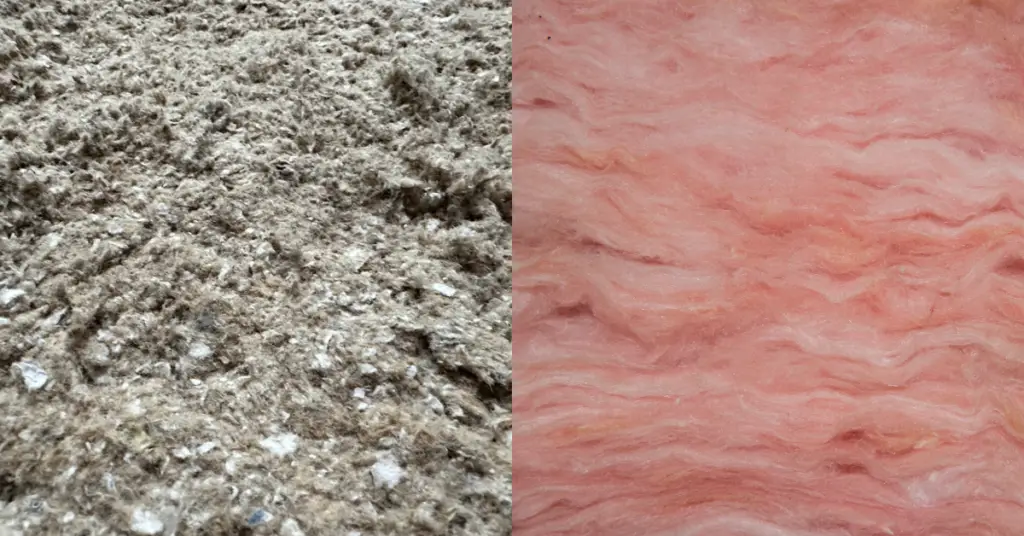
10.The Scorecard: All 7 Rounds at a Glance
The verdicts, in one table:
| Category | Batts | Blown-In | Winner |
|---|---|---|---|
| Installation process | Slow, hand-fitted | Fast, machine-applied | Blown-in |
| Coverage & air resistance | Gaps at obstructions | Continuous layer | Blown-in |
| R-value per inch | R-2.9–3.8 | R-2.2–3.8 by material | Depends — cellulose leads |
| Soundproofing | Decent | Excellent (cellulose) | Blown-in |
| Cost | Higher labor & waste | Lower on most jobs | Blown-in |
| Durability | 20–30+ yrs | 20–30+ yrs | Tie |
| Environmental impact | Energy-intensive | 85%+ recycled (cellulose) | Blown-in cellulose |
Notice also what the scorecard cannot referee: your attic’s prerequisites. Rodent activity, contaminated material, duct damage, and moisture problems all sequence before either method — and a bid that jumps straight to material without addressing them is answering a question your attic didn’t ask. The scorecard picks a method; the inspection picks the project.
How to actually use this scorecard: weight the rounds by your situation before reading the totals. A height-limited attic makes Round 3 decisive; a flight-path address promotes Round 4; a tight budget elevates Round 5; new construction flips Round 1’s premise entirely. The card is the map; your attic is the territory; the inspection is where they meet.
Five rounds to blown-in, one tie, one material-dependent — a lopsided card that still doesn’t retire batts, because the rounds are weighted differently in every house. Which brings us to the use cases.
11.Best Use Cases: When to Use Batts or Blown-In Insulation
Use Batt Insulation If:
- Your attic has wide-open joist bays and no obstructions
- You’re building a new home or remodeling with exposed framing
- You want faced insulation with a built-in vapor barrier
- You don’t mind a slightly higher cost for straightforward installs
Use Blown-In Insulation If:
- Your attic has wires, vents, recessed lights, or framing irregularities
- You’re retrofitting or topping off existing insulation
- You want better coverage, faster installation, and lower costs
- You’re looking for higher R-value per square foot
Sellers and buyers read these use cases with different eyes, usefully: a documented full-depth blown attic reads as a maintained home in a disclosure package, while patchy mixed-vintage batts invite inspection questions. If a sale is in your future, the method that photographs as a clean, uniform field — with the depth marker in frame — is quietly also a staging decision. Ask the sellers and agents we work with.
A hybrid worth knowing, because good scopes use it without ceremony: batts in the clean, accessible wings with blown-in insulation across the obstructed core — or loose fill blown directly over sound existing batts to raise the whole field to target. ENERGY STAR explicitly blesses mixing types; the attic is allowed different right answers in different corners, and pretending otherwise is salesmanship, not building science.
Notice the pattern: batts win futures, blown-in insulation wins histories. Exposed new framing is batt country; an attic that has lived a few decades — accumulated wiring, remodels, and oddities — is blowing-machine country. Since most Southern California attics fall in the second category, most of our scopes do too. Dense-pack applications extend the method further still — closed walls via wall injection and under-floor work via crawl space insulation.
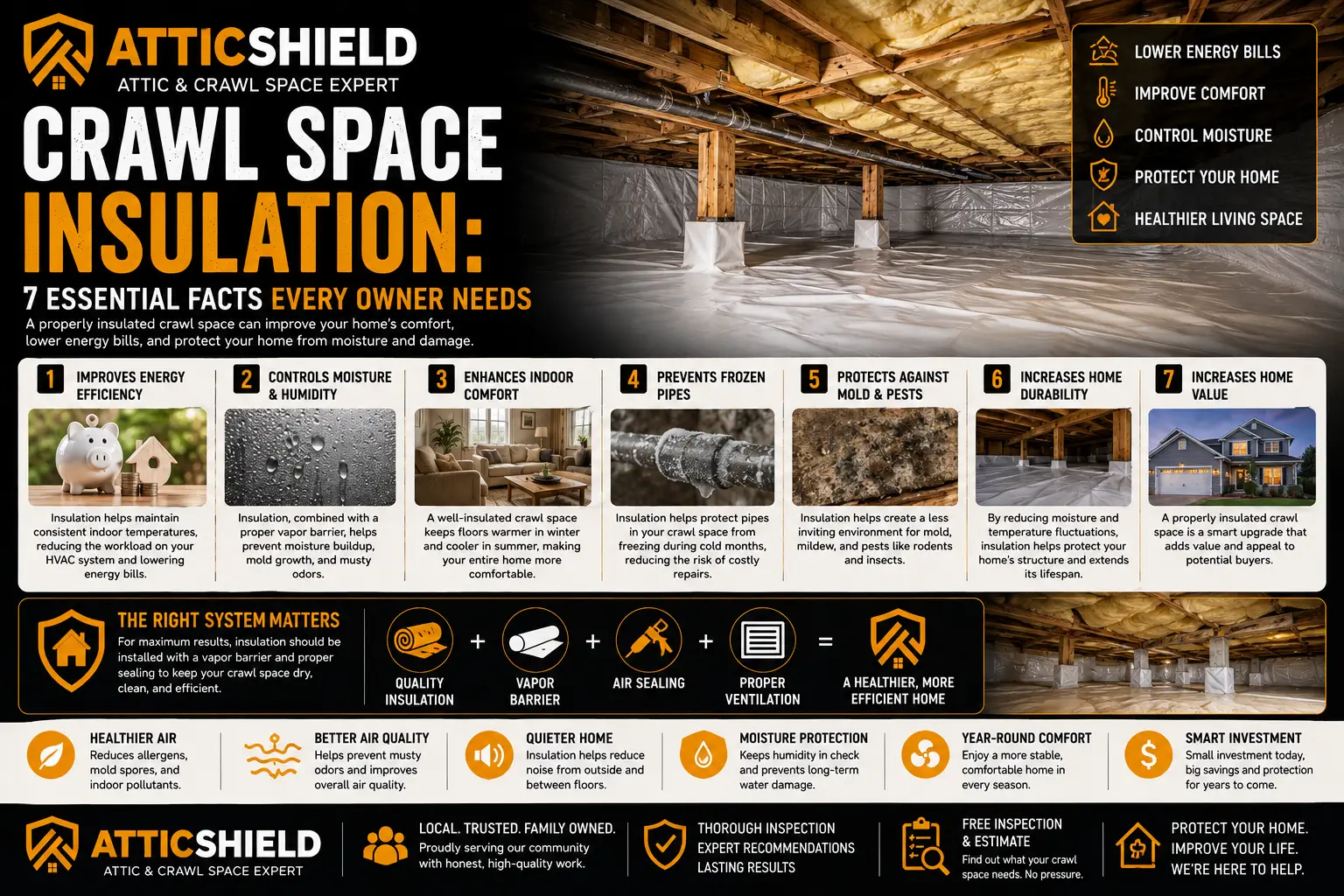
12.Considerations for San Diego Homes
In San Diego County, where homes face intense summer heat, mild winters, and the risk of rodents or pests, blown-in insulation is often the best value:
- Attics in places like Escondido, Poway, and Temecula benefit from cellulose’s coverage and density qualities
- Coastal homes near Del Mar or La Jolla might lean toward fiberglass due to humidity resistance
- Blown-in insulation helps meet California’s energy code (Title 24) with less material waste and better performance — the standards live at energy.ca.gov
Ducts complicate the regional picture one more way: most Southern California systems run their ductwork through the attic itself, and deep insulation of either method partially buries supply runs — a benefit when the ducts are sealed and sound, a sealed-in problem when they are not. It’s why duct repair sequences ahead of insulation whenever the inspection finds leaks, and why the camera visits the runs before the material does.
Heat is the region’s silent stress test for both methods: inland attics from Escondido to Temecula spend summer afternoons far above 130°F, cooking any material’s weaknesses out of hiding — gaps radiate, thin spots glow on thermal cameras, and undersized depth shows up on the August bill. Whatever wins your attic, spec it for the worst week of the year, because that week is coming annually.
The rodent line in that first sentence earns its place: whichever method you choose, material installed into an unsealed structure becomes nesting stock, which is why rodent proofing — 1/8-inch steel at every entry, never foam alone — sequences ahead of insulation whenever the inspection finds activity. The rodents guide walks the whole arc.
13.Installation Quality > Material Choice
Even the best insulation can fail if installed improperly. At Attic Shield, we do more than just “blow and go.” Every insulation project includes:
- Full attic inspection and detailed proposal
- Removal of old insulation and rodent waste where conditions call for it — through the sealed 35-HP extraction process
- Sanitization of the attic space when contamination exists
- Sealing of all accessible entry points
- Safe and efficient installation — ventilation preserved, clearances respected, depth verified
- Post-job documentation and follow-up
Walk that checklist against the two methods and notice it never changes: the inspection maps the same attic, the sealing closes the same leaks, the ventilation baffles protect the same soffits, and the camera documents the same disappearing details whether the material arrives in panels or through a hose. Method is a chapter of the project; the project is the book — and skipping chapters is how attics underperform their receipts.
We work hard to make sure your attic performs like a sealed, efficient part of your home — not a liability. ENERGY STAR’s attic project guidance backs the sequence: seal first, protect ventilation, then insulate — in either method. And because everything on this list disappears under the material, the photographs are how you keep it: every scope closes with the documentation in your hands.

14.Attic Shield’s Recommendation
Timing your project has one honest rule regardless of method: the best month to fix an under-insulated attic was before last summer’s bills, and the second best is now. Fall books heaviest ahead of winter, spring runs on pre-summer urgency, and the shoulder weeks between are the easy scheduling windows — but the physics never goes on sale, and the attic starts paying you back the week the material lands.
For most attic projects in Southern California, blown-in insulation offers better performance, faster install, lower cost, and a cleaner finish. We only recommend batts for new construction, open attic spaces, or when the project specifically calls for a faced product. Still unsure? We’ll walk you through both options during your free attic inspection — one to two hours, a camera, and a written three-column scope naming the method, the material, and the target.
Upgrading your attic insulation can save you up to 30% on your energy bills, reduce HVAC strain, and make your home more comfortable year-round. Let Attic Shield handle the job from start to finish:
- Licensed, bonded & insured C-2 insulation contractor — CSLB #1138021, verify it live; the C-2 guide explains why the classification is legally required
- Transparent process, financing available
- Free estimates + job photo documentation
Call now: (858) 402-0066 — the family behind the company answers Monday through Friday 7 to 5 and Sunday 9 to 2, across all 70+ communities we service in San Diego County, Southwest Riverside County, and South Orange County, and the live review feed shows how the last several hundred attics went.
15.Final Thoughts: Choose What Fits Your Home — Not the Hype
If you carry three sentences out of this comparison, carry these: blown-in insulation wins most retrofit attics on coverage, speed, and cost; batts keep a real lane in open framing and faced-product assemblies; and the installer’s discipline — sealing first, charts verified, ventilation preserved, photographs taken — moves your outcome more than either method ever will. Everything else is detail in service of those three.
There’s no universal “winner” in the batts insulation vs blown-in insulation debate. The right choice depends on your attic’s shape, access, age, budget, and goals. But for many San Diego homeowners looking to maximize performance without overpaying, blown-in insulation is the clear favorite.
Let us help you insulate smarter. Your attic — and your energy bill — will thank you.
For the material half of the decision, the cellulose vs. fiberglass guide picks up where this one ends; the attic vs. wall comparison covers where to insulate first; and the installation service page covers exactly how the chosen method goes in — inspected, specified, installed, photographed.

16.Batts vs. Blown-In Insulation — FAQs
Can I install batts or blown-in insulation myself?
Batts are DIY-friendly in principle, but blown-in insulation requires equipment and knowledge of depth and ventilation. We recommend hiring pros for safety and performance either way — the gap between amateur and professional results is wider in insulation than homeowners expect, it hides above the ceiling where nobody grades it, and the grading eventually arrives anyway, itemized monthly, on the utility bill.
Is blown-in insulation messy?
No — our professional crews contain and clean everything. It’s fast, neat, and effective: floors protected, the blowing route contained from truck to hatch, and the home left the way we found it, minus the drafts and plus the photographs.
What if I already have insulation?
We can remove old insulation or blow over it, depending on its condition — clean and dry can often stay and be topped, while contaminated, wet, or pest-damaged material comes out first through the sealed removal process. The inspection answers this with photographs.
Does one last longer than the other?
Both can last 30+ years. Blown-in insulation may benefit from topping off in 10–15 years depending on settling; batts hold shape but can slump or gap where fit was imperfect. In practice, disturbance — rodents, trades, moisture — ends more insulation lifespans than the material’s own aging does.
Which is cheaper for a typical attic?
Blown-in insulation usually wins on total project cost: faster installation, fewer labor hours, and minimal waste. Batts carry higher labor because every piece is cut and fitted by hand. The inspection produces the honest number for your specific attic rather than a generic average.
Is blown-in insulation cellulose or fiberglass?
Either — blown-in describes the installation method, not the material. Both cellulose and fiberglass ship as loose fill for blowing, each with its own R-per-inch and coverage chart, and mineral wool joins them for specific assemblies; our companion cellulose-vs-fiberglass guide compares the materials themselves in depth.
Do batts ever beat blown-in insulation?
Yes — in wide-open, unobstructed joist bays, new construction with exposed framing, and projects wanting a faced vapor-barrier product, batts are clean, orderly, and effective, and we recommend them there without hesitation. The method loses ground exactly where real retrofit attics get complicated: wires, recessed cans, vents, odd bays, and irregular framing — which describes most of the housing stock we work in.
What matters more — the method or the installer?
The installer, every time. A perfectly fitted batt job outperforms a careless blown job and vice versa; coverage charts, depth verification, preserved ventilation, sealed prerequisites, and photographs are what separate rated performance from wishful thinking. Choose the crew first; the method follows the attic, and the attic never lies.
Ready for a free photo-documented inspection?
One to two hours, a camera, and a written scope — no pressure, no obligation, across all 70+ communities we service in San Diego County, Southwest Riverside County, and South Orange County.
or call (858) 402-0066 · Mon–Fri 7–5 · Sun 9–2