One family crew, three counties, 70+ communities. These are the areas we service from our Escondido headquarters — San Diego County, Southwest Riverside County, and South Orange County — every one with its own page, and every job photo-documented.
About an hour, a camera, and a clear written scope — no pressure, no obligation.
A member of our Escondido-based team will follow up shortly to confirm details and schedule your free inspection.
Need us sooner? (858) 402-0066Type your city and the map filters live. Every community card links to its own local page with neighborhood-level detail. If you are between two cities, you are covered — the areas we service are drawn around drive time from Escondido, not hard borders.
All 71 communities in the areas we service, plus the Escondido headquarters the trucks roll from. Every gold marker opens that community’s own page.
No marker on your street? Edge addresses in the areas we service are decided by drive time — call and we will tell you straight.
Every job in the areas we service starts the same way: a technician physically enters the attic or crawl space, photographs everything, and builds a written scope at your kitchen table. We are a family-operated crew headquartered at 632 Rock Springs Rd in Escondido, holding C-2 and B classifications under CSLB #1138021 — which means the license on the paperwork matches the people in your attic, whether that attic is in a beach city or an inland valley.
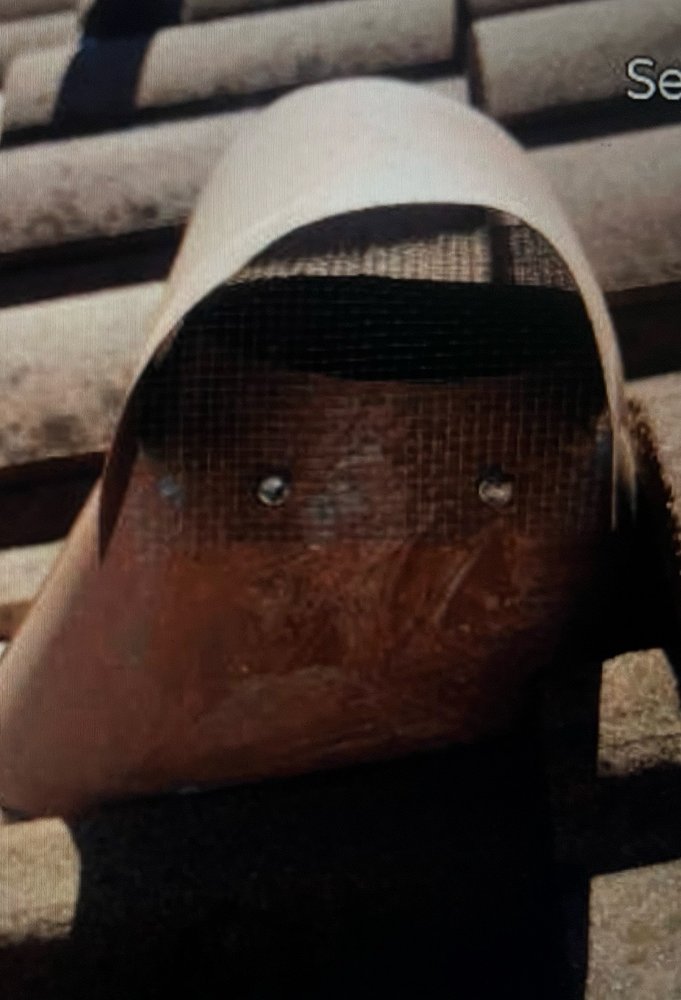
Distance never changes the doctrine. The same 1/8-inch steel mesh goes into every rodent proofing scope, sealants ride with the steel — never foam alone — and the same free inspection photos land on your screen before any work is proposed across all the areas we service. What distance does change is the building science: coastal communities fight marine moisture, inland valleys fight heat, and the sections below say which is which.
One more thing coverage means here: accountability you can check. The license number on every document resolves to the state record, the reviews resolve to real profiles, and the before-and-after photographs from your own job stay yours whether or not you hire us. Coverage is not a radius on a marketing map — it is every place we are willing to put that standard in writing.
The heart of the areas we service — from the coast at La Jolla, Pacific Beach, and Encinitas through the central neighborhoods to the inland valleys of Escondido, El Cajon, and Ramona. Coastal homes here lean on vapor barriers and marine-grade sealing; inland attics lean on insulation depth, attic fans, and sealed ducts. Every one of these communities has its own page.
From the beach communities to the backcountry, San Diego County spans multiple Title 24 climate zones — which means the right insulation target in Imperial Beach is not the right target in Ramona. That is why every scope starts with an inspection instead of a spreadsheet: the house, its micro-climate, and its history decide the work. Tap any community card for street-level detail, or use the map above to find your marker.
From pre-war Craftsman homes to new towers, the city spans every insulation era — scopes follow the house, not a formula.
Historic early-1900s homes ring the park; original attics here often carry decades-old insulation and open, unscreened vents.
Classic 1950s–60s postwar tracts — original insulation is long past its service life and due for removal and re-insulation.
Older urban housing stock where knob-era attics, additions, and remodels meet; air sealing recovers what decades of work left open.
Coastal bluffs in the marine layer — salt-heavy air drives vapor control and corrosion-resistant steel exclusion.
1970s–80s tract homes with builder-minimum insulation; topping to R-38–R-49 transforms summer comfort.
Early beach cottages take marine moisture year-round; crawl space vapor barriers and sealed vents do the heavy lifting.
Beach-block homes in constant salt air — moisture management first, then insulation depth.
Marine exposure on three sides of the peninsula; scopes lead with vapor barriers and rust-resistant screening.
1960s–70s planned community whose original attic systems are aging out together — inspection tells each home’s truth.
1960s-era homes near UCSD plus newer complexes; duct condition and insulation depth decide comfort here.
Older west-side homes and new east-side builds — two different scopes in one city, both photo-documented.
1990s–2000s master-planned homes where builder-grade insulation and flexible ducting are reaching replacement age.
Newer construction — scopes here focus on duct integrity, attic ventilation, and sealing before problems start.
Newer master-planned homes backing to open space; preventive steel exclusion beats first-infestation cleanup.
Our headquarters city — hot inland valleys, Victorian-era downtown blocks to ranch homes, all inside same-week response.
Rural hillside community north of Escondido; open country means year-round rodent pressure on attics and crawl spaces.
Acreage and groves bring wildlife to every structure — exclusion in steel is the standing prescription.
Salt air on the beach blocks, hot valley tracts inland — the inspection decides which climate your scope fights.
Vintage beach cottages under the marine layer; crawl space moisture and aged insulation are the recurring findings.
Village-era coastal homes and newer inland neighborhoods split between moisture control and heat control.
2000s master-planned homes — duct sealing and ventilation tune-ups keep newer systems performing to spec.
One of the county’s hottest valleys; midcentury homes here need full insulation depth and working ventilation most.
Older unincorporated blocks with vintage attics — removal, sanitization, and re-insulation are common full scopes.
Midcentury hillside homes above the heat of the valley floor; aging insulation and duct runs drive most scopes.
Semi-rural properties in serious summer heat — insulation depth plus steel exclusion for the field-rodent pressure.
Rolling grove country where rural rodent pressure meets custom homes; exclusion and crawl space work lead.
1970s–80s tracts with original builder insulation — prime candidates for top-offs to modern targets.
Hill-and-valley microclimates in one zip code; the inspection reads each attic before the scope is written.
Our neighbor city — fast growth left every housing era side by side, from originals due for removal to new builds due for sealing.
Estate lots under mature trees — classic roof-rat highways; large custom attics get steel exclusion point by point.
1960s–70s lakeside homes, many with original attic systems now decades past their intended life.
Coastal cottages to custom hillside homes, all under marine influence — moisture first, insulation second.
Beachside blocks in daily marine air; vapor barriers and sealed crawl spaces protect the wood that holds the house up.
“The City in the Country” — ranch properties and open land keep rodent exclusion permanently relevant.
Some of the county’s oldest housing stock; vintage attics often need the full remove-sanitize-reinsulate sequence.
1970s–80s homes near the air station — insulation depth and duct sealing carry the comfort load.
A 1950s tract neighborhood whose original insulation has served three times its design life.
The county’s southernmost beach town — salt air and crawl space moisture set the scope.
Coastal bluff homes in the marine layer; corrosion-resistant materials and vapor control are standard here.
Village homes in daily marine air — under-floor moisture and aged insulation are the usual findings.
Oceanside’s beach blocks — maximum salt exposure, so screening and sealing get marine-grade materials.
Newer South Bay development where preventive sealing and duct checks keep young systems young.
Hot East County valley of 1970s–80s tracts — full-depth insulation and real ventilation pay off fast.
Early-1900s and midcentury hillside homes; older attics here mix eras of insulation that inspection sorts out.
Compact midcentury homes where a one-day top-off often closes the gap to modern insulation targets.
Nursery and grove country on the Riverside line — rural structures, rural rodent pressure, steel answers.
Avocado country — groves feed roof-rat populations, so exclusion and attic restoration lead the work here.
Golf-course community in North County heat; insulation depth and duct condition drive the cooling bills.
Hot backcountry valley of ranch properties — field rodents and summer heat set a clear two-part scope.
Older compact homes near the border; aging attics respond well to sealing plus right-sized re-insulation.
Rural East County hills with constant wildlife pressure — steel exclusion is the non-negotiable first step.
Every San Diego County community above is inside the areas we service — tap a name for street-level detail.
Temecula, Murrieta, Menifee, and their neighbors sit in true inland heat — summer attics that hold triple-digit air well after sunset. In these areas we service the levers are insulation depth to the R-38–R-49 band, air sealing, and duct integrity, with rodent proofing close behind as development pushes into open country.
Growth is the second story here: new construction pushes into open country, and the displaced field rodents follow the utility lines straight into the newest attics. Steel exclusion on day one is cheaper than restoration in year three — and the free inspection will tell you honestly which situation your house is in.
1990s–2000s master-planned homes at the edge of wine country — builder-grade attics meeting serious inland heat.
Boom-era housing now 20–30 years old; original insulation and flex ducts are due for honest evaluation.
Rapid-growth city around the old Sun City core — new builds need sealing, originals need everything.
1960s retirement-community originals — many attics still carry first-generation insulation in triple-digit heat.
Semi-rural pockets beside newer tracts; scopes here split between exclusion and insulation depth.
Gated 1970s–80s lake community — original attic systems plus waterside rodent pressure.
Historic lakeside blocks and new hillside tracts — two housing eras, one inland heat problem.
Hot inland valley with mixed-age homes; insulation depth and duct sealing decide the summer here.
Large 1960s–80s housing stock in one of the region’s hottest valleys — the strongest re-insulation case on the map.
Every Southwest Riverside County community above is inside the areas we service — tap a name for street-level detail.
From San Clemente and Dana Point on the water to Mission Viejo, Lake Forest, and the canyon communities inland, South Orange County mixes coastal moisture with hillside rodent pressure. The areas we service here get the same doctrine: steel-backed exclusion, sanitization where evidence exists, and insulation matched to the micro-climate.
Canyon-edge communities like Trabuco Canyon and Coto de Caza add a third pressure: hillside wildlife with year-round attic ambitions. Scopes there weight exclusion and sanitization heavily, while the coastal side of the county weights moisture control — one county, two playbooks, chosen by evidence.
One of America’s original master-planned cities — 1960s–80s homes whose first insulation is far past due.
Spanish-style coastal homes in daily marine air; moisture control and sealed crawl spaces protect the originals.
1990s planned city — builder-grade attics now old enough for depth checks and duct sealing.
1980s–90s hillside homes where canyon wildlife meets aging builder insulation.
1970s–80s neighborhoods against canyon edges — exclusion and re-insulation travel together here.
2000s master-planned community — preventive sealing and ventilation keep newer attics on spec.
Gated canyon estates with year-round wildlife pressure — large custom attics, point-by-point steel exclusion.
1990s planned city at the foot of the Santa Anas — canyon rodent pressure meets aging builder attics.
True canyon country — wildlife exclusion in steel is step one on nearly every structure.
Harbor-town marine air every day of the year — vapor control, sealed vents, and corrosion-resistant materials.
Every South Orange County community above is inside the areas we service — tap a name for street-level detail.
California draws the line for us: under Title 24, our counties span coastal and inland climate zones, and the prescriptive insulation targets differ with them. Coastal communities in the areas we service battle marine-layer moisture — vapor barriers, sealed crawl space penetrations, and corrosion-resistant steel. Inland communities battle heat — attic temperatures past 130°F, which is where full-depth insulation, ventilation, and duct insulation pay for themselves on the cooling bills. The inspection tells us which fight your house is in; the scope follows the evidence, and ENERGY STAR guidance on sealing and insulating backs every recommendation. Two climates, one crew, all the areas we service.
The six questions every caller asks about coverage — and 166 more answers on the full FAQs page.
Installation is the final step of a healthy attic. These are the services around it — and the pages explaining what each one actually involves.
Serving all of San Diego County, Southwest Riverside County and South Orange County — more than 70 cities from San Diego and Escondido to Temecula and San Clemente. See every city on the map.
Coverage claims are cheap; codes and licenses are checkable. These are the public standards every scope on this map is built against.
Links open in a new tab. Agencies occasionally reorganize their sites; if one moves, search the agency name plus the topic.
Sealed deck, blown-in insulation, measured depth, ruler in the photograph — attic insulation installation built to California’s Title 24 bar.
 AtticShield