 AtticShield


 Attic Shield
- Mobile Home Crawl Space: 9 Smart Cleaning & Rodent Fixes
- Crawl Space Cleaning: 8 Proven Steps to a Healthier Home
- Crawl Space Insulation: 7 Essential Facts Every Owner Needs
- Crawl Space Vapor Barrier: Do You Need One? Complete 2026 Guide
- Attic Inspection: What to Expect, What We Check, What You Get
- Roof Rats vs Mice: 9 Proven Ways to Tell Which You Have
- Rats in the Attic? 10 Signs, What They Mean, What To Do
- The True Cost of Ignoring Attic Problems (2026 Guide)
- When to Replace Attic Insulation: 9 Warning Signs (2026)
- California Attic Ventilation: Complete 2026 Homeowner Guide
Climate change is here — and San Diego homeowners are feeling it. If you live in San Diego County, you’ve likely noticed something: the weather isn’t what it used to be. Summers are hotter. Heat waves last longer. Coastal breezes that once brought relief are less reliable, and wildfires seem to get closer each year.
These are not random events. They’re the local effects of global climate change, and they’re already impacting how we live, how much we spend on energy, and how comfortable our homes feel year-round.
At Attic Shield, we specialize in attic insulation across San Diego County — from Chula Vista to Carlsbad and all the way inland to Temecula and Lake Elsinore. And we can say with confidence: one of the most effective ways to protect your home, lower your energy bills, and prepare for extreme weather is to insulate your attic properly.

1.San Diego County’s Climate Is Getting Hotter — and It’s Not Slowing Down
According to data from the Scripps Institution of Oceanography and NOAA, the average annual temperature in San Diego has increased by more than 2°F since the 1950s — and projections show that trend continuing.
What does this mean for homeowners?
- Longer and more intense heatwaves arriving earlier and stretching later each summer
- Higher demand on HVAC systems, especially during peak afternoon hours
- Increased energy bills due to inefficient cooling
- More strain on California’s electrical grid, potentially leading to brownouts or blackouts
What makes the Scripps and NOAA data especially useful is its locality: this isn’t a planetary average being waved at your utility bill — it’s San Diego’s own instruments recording San Diego’s own trend, decade over decade, from the pier at La Jolla outward. When homeowners here budget for the future, more-than-2°F-and-climbing is the number their houses will actually live in.
The grid-strain bullet deserves a homeowner translation, because it’s where the changing climate stops being weather news and becomes household strategy: when every AC in the county surges at the same 4 p.m., the homes that need the least cooling are the ones the flex alerts barely touch. Under-insulated attics don’t just cost their own bills — they lean on a grid the changing climate is already testing, and they feel every brownout first.
If your attic isn’t insulated — or has old, degraded insulation — your home will act like a heat sponge in the summer and leak warm air in the winter. It’s the equivalent of leaving your windows cracked open while your AC is running full blast.
Two degrees of average is not two degrees of experience. The averages move slowly — the extremes move first, and the attic is where your house meets them.

2.Reason 1: Temperature Control
Attic insulation plays a huge role in temperature regulation, energy efficiency, and air quality inside your home — and temperature is where the changing climate presses hardest. In the summer, your attic can reach up to 160°F without proper ventilation and insulation. That heat radiates down into your living space, making your home feel stuffy — even with the AC on.
Ventilation shares the credit in that sentence and shouldn’t be forgotten: a properly vented attic sheds a portion of its heat load before the insulation ever has to argue with it, which is why the changing climate makes the attic a system question — airflow above, sealed plane below, depth in between. The ventilation guide and attic fan service handle the airflow half of that partnership.
Quality insulation acts as a thermal barrier, significantly reducing heat transfer from the attic to your rooms. The stuffy-even-with-AC experience has a mechanism worth naming here too: your thermostat reads air temperature, but your body also feels the radiant heat pouring off a ceiling with a 160°F attic above it — that’s why an under-insulated home can hit its setpoint and still feel oppressive, and why full-depth material quiets the half of the equation the AC can’t touch. The physics scales with the problem: the hotter the attic runs, the larger the temperature difference across your ceiling — and the more work a full-depth insulation layer does compared to a thin, tired one. In other words, every degree the changing climate adds makes proper insulation worth more, not less.

3.Reason 2: Lower Energy Bills
The better your insulation, the less your HVAC system has to work. That means fewer breakdowns, longer system life, and most importantly: lower monthly utility bills. In many cases, homeowners in San Diego save up to 30% annually just by upgrading their attic insulation.
The fewer-breakdowns line is quietly one of the changing climate’s best arguments: HVAC equipment ages by runtime and stress, and every hour insulation shaves off the daily cooling battle is an hour the compressor doesn’t log. Systems in well-insulated homes reach the hard weeks rested, cycle less violently through them, and simply last — a replacement postponed is one of the largest invisible returns an attic upgrade pays.
The changing climate turns that percentage into a compounding story: cooling loads grow as summers intensify, which means the share of your bill that insulation protects grows with them. An upgrade that pays respectably in this decade pays better in the next — one of the few home investments whose return is indexed to the very trend everyone is bracing against. Federal guidance at energy.gov runs the same seal-and-insulate math, and current utility incentives are searchable through the ENERGY STAR Rebate Finder.

4.Reason 3: Improved Indoor Air Quality
Attics that lack insulation or are damaged by rodents, mold, or dust can pollute the air circulating through your home. Professionally installed insulation seals off contaminants, improves filtration, and can reduce allergy symptoms and respiratory issues.
Filtration works best on a closed loop: a sealed, insulated attic keeps your HVAC circulating the air your filters have already cleaned, instead of continuously inhaling attic-borne dust through ceiling penetrations faster than any filter schedule can keep up. Sealing off contaminants isn’t only about what the attic holds — it’s about which air your system is allowed to breathe.
Air quality also has a climate multiplier most articles skip: longer heat means more hours your HVAC runs, which means more air cycled past whatever your attic contains, more often. A contaminated attic in 1995’s climate met your lungs a few hundred cooling-hours a year; the same attic in the changing climate meets them for many more. The exposure grew without the attic changing at all.
The climate connection here is unglamorous but real: hotter attics accelerate the breakdown of aged materials, longer dry seasons drive more dust, and the region’s year-round rodent pressure never takes a season off. An attic’s contamination story compounds in the same direction the temperatures do — which is why the fix is a sequence, not a topping: contamination out, sanitization done, entry points sealed, and only then fresh material installed.

5.Reason 4: Carbon Footprint Reduction
By improving your home’s energy efficiency, you also reduce its environmental impact. Lower energy consumption means fewer greenhouse gas emissions, which is an important step toward making San Diego a climate-resilient community.
The attic is where the loop closes: the same insulation that defends your home from the changing climate reduces your home’s contribution to it.
Scale makes the household numbers meaningful: San Diego County holds over a million households, and residential cooling is one of the region’s fastest-growing electricity uses as the changing climate lengthens the season. Every attic brought to modern depth removes a sliver of that curve permanently — multiplied across neighborhoods, the sliver becomes the difference between a grid that strains and one that holds.
California’s policy architecture leans on exactly this logic: Title 24’s efficiency standards treat the building envelope as the state’s quietest power plant, because a megawatt never demanded is cleaner than any megawatt generated. When your attic reaches modern depth, your home joins that architecture — contributing capacity to the grid by simply not asking for it, every hot afternoon the changing climate delivers.
It’s a genuinely rare alignment. Most climate-era home decisions trade comfort against conscience; this one stacks them — cooler rooms, smaller bills, and a lighter footprint from a single passive system with no moving parts, no maintenance schedule, and a working life measured in decades.
6.Why It’s Especially Important in San Diego County
While San Diego is known for its beautiful climate, our local geography makes insulation even more important:
| Zone | Climate Challenge | How Insulation Answers |
|---|---|---|
| Coastal (La Jolla, Encinitas, Point Loma) | Humidity and fluctuating temperatures | Helps control condensation, preventing mold growth in the attic |
| Inland (Poway, Escondido, Temecula) | Extreme summer heat, chilly winter nights | Maintains a consistent interior temperature through triple-digit days and 40°F mornings |
| Wildfire-prone (Alpine, Ramona, Fallbrook) | Ember and fire exposure | Sealed attics with fire-resistant insulation materials like fiberglass or cellulose |
The inland row hides the county’s widest daily swings: a Poway or Escondido summer day can open at the low 60s and close past 100, and that 40-degree arc crosses your ceiling twice every day. Insulation’s job in the inland zone isn’t only blocking peak heat — it’s damping the whole oscillation so your interior rides a gentle curve while the attic above it rides a rollercoaster.
The wildfire row reaches beyond materials into the whole assembly: in ember-exposure communities, a sealed, well-maintained attic with screened vents and no rodent-torn openings presents fewer paths for wind-driven embers than a neglected one — one more reason attic condition and regional risk have become the same conversation. Fire-hardening guidance from the state consistently starts where this article does: at the openings and the materials above your ceiling.
One county, three different attic assignments — and most homeowners only ever hear generic advice written for none of them. The climate zone map guide goes deeper on how the state’s zones translate into your exact R-value target, and the service area map covers every community those three rows describe.
7.Signs You Need to Upgrade Your Attic Insulation
Many homes in San Diego still have old, ineffective insulation — often under-insulated or damaged from pests, moisture, or simple aging. Here are some common signs it’s time for an upgrade:
- High energy bills despite moderate thermostat use
- Uneven temperatures in different rooms
- HVAC system constantly running
- Drafts or hot spots in upper rooms
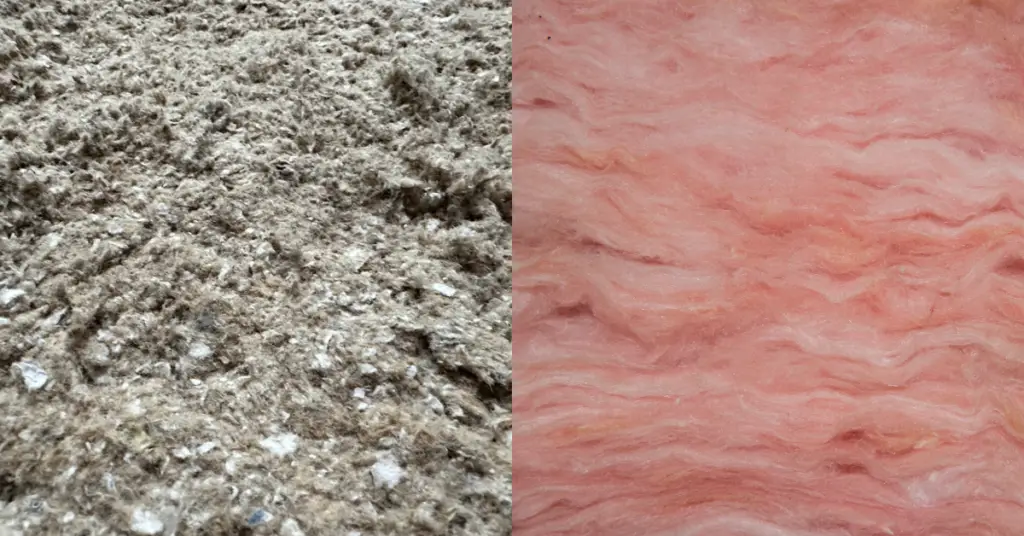
- Old batt insulation that’s dirty, thin, or shredded
- Rodent droppings, nests, or odor in the attic
- Insulation depth less than 10–12 inches


The tape-measure check deserves its how-to: pop the hatch, shine a light across the field, and read the depth against a joist — if you can see the joist tops, you’re typically well under 10–12 inches and the changing climate is billing you for the difference monthly. It’s the rare home diagnosis that takes five minutes, costs nothing, and settles the question with a number.
Read the seven signs as one instrument rather than seven: the bills, the uneven rooms, and the running HVAC measure the same underlying condition — a thermal boundary failing against a changing climate that stresses it harder each summer. The visible rows (thin batts, droppings, shallow depth) are the causes; the felt rows are the effects; and the depth row is the one you can check yourself with a tape measure and a flashlight this weekend.
If any of these sound familiar, you’re not alone. Hundreds of San Diego homeowners turn to Attic Shield every year to remove old insulation, sanitize the attic, and install modern, high-performance insulation that’s built for California weather — the full arc runs through removal, sanitization, and installation, with the replacement-signs guide covering every checklist row in depth.

8.Why Choose Attic Shield for Your San Diego Insulation Project?
At Attic Shield, we’re a licensed C-2 insulation contractor with deep experience in the unique demands of Southern California homes — verify the license live at the CSLB (#1138021). Here’s what sets us apart:
- Free Attic Inspections — We provide detailed photos and honest assessments
- Rodent-Proofing & Air Sealing Included — Not just insulation, but full protection
- Sanitization of Attic Space — We remove contamination before installing anything
- Premium Materials — Blown-in fiberglass, cellulose, and batt options available
- Fast Turnaround — Most jobs completed in 1 day
- Financing Available — Flexible payment plans to fit your budget
- We stand behind our work — documented, photographed, and accountable at every step
The sanitization checkmark carries the sequence doctrine that separates a restoration from a topping: contamination comes out before anything goes in, because burying rodent history under fresh material seals the problem into the changing climate’s longer cooling seasons. Removal, sanitization, exclusion, sealing, installation — in that order, photographed at each step, so the clean layer lands on a clean deck.
We don’t cut corners — and we never subcontract. Every job is done by our trained in-house crew to the highest standards; the Cut Corners article shows that philosophy in photographs. The rodent-proofing line carries its doctrine everywhere it appears: entry points sealed with 1/8-inch steel mesh — never foam alone — traps run two times, two weeks apart, no poison, through the rodent proofing service.


9.Climate-Ready Homes Start in the Attic
If you’re serious about protecting your home, lowering your bills, and preparing for San Diego’s hotter future, attic insulation is one of the smartest and most cost-effective investments you can make.
Whether you’re in Mission Valley, San Marcos, or Spring Valley — Attic Shield has you covered, across San Diego County, Southwest Riverside County, and South Orange County.
Timing favors the prepared here more than usual: insulation upgrades are calmest to schedule in the shoulder seasons, before the first heat wave books every contractor in the county solid. The homeowners who inspect in spring choose their week; the ones who call mid-heat-wave join a queue. The changing climate hasn’t changed that arithmetic — it’s just raised the stakes on which side of it you’re on.
Climate-ready is not a product; it’s a condition your house is either in or isn’t when the next heat wave arrives. The homes that coast through flex alerts and triple-digit weeks share the same quiet anatomy: a sealed ceiling plane, a ventilated attic, and insulation at full modern depth doing its silent work. Everything else — the bills, the comfort, the resilience — follows from that anatomy.

10.Schedule Your Free Inspection Today
Don’t wait for the next heatwave to take action. Call Attic Shield today at (858) 402-0066 or request your free estimate online.
And if this article’s trendlines feel abstract, the inspection makes them concrete in ninety minutes: your actual depth against the modern target, your actual attic temperature on the day of the visit, your actual contamination story in photographs. The changing climate is a county-wide statistic; your attic’s readiness for it is a measurable fact — and measuring it costs nothing.
Together, we can help you build a home that’s comfortable, energy-efficient, and climate-resilient — starting from the attic down. The family behind the company answers Monday through Friday 7 to 5 and Sunday 9 to 2, the live review feed shows how the last several hundred projects went, and the free inspection — one to two hours, a camera, a written three-column scope — is where every climate-ready attic on this page began.

11.The Changing Climate — FAQs
How much hotter has San Diego actually gotten?
According to data from the Scripps Institution of Oceanography and NOAA, the average annual temperature in San Diego has increased by more than 2°F since the 1950s — and every credible projection shows that trend continuing through the decades your house will live through. Two degrees of average hides the real story: the extremes stretch further, heat waves run longer, and the attic above your ceiling amplifies every one of them.
Can insulation really make a difference against a changing climate?
Against the global trend, no single home decides anything — but against what the changing climate does to your house, insulation is the highest-leverage response there is: it cuts the heat reaching your rooms, cuts the energy your cooling burns, and cuts the emissions your comfort costs, all with one passive upgrade that works around the clock for decades.
What insulation depth should a San Diego home have now?
If your attic measures less than 10–12 inches, you’re under-insulated for the climate that’s arriving. Modern installs in our area typically target the climate zone’s Title 24 requirement and beyond — our common spec runs to R-44 — because the marginal cost of extra depth is small and the summers it will face are not getting milder.
Does a hotter climate change which insulation material I should pick?
Less than you’d think — blown-in fiberglass and cellulose both handle Southern California’s heat extremely well, both install to any depth the zone requires, and both are fire-resistant materials appropriate for the county’s wildfire-adjacent communities. The bigger climate-driven changes are depth, air sealing, and ventilation: the hotter the summers run, the more those three multiply each other.
Will better insulation really help during heat waves and grid strain?
Yes, and on both sides of the meter: a well-insulated home heats up far more slowly during peak afternoons, holds its cool hours longer into the evening, and asks dramatically less of the HVAC at exactly the hours when the grid is most stressed and electricity is most expensive. During flex alerts, that difference is the gap between coasting through the peak hours and sweating through them.
Is coastal humidity really an insulation issue?
It genuinely is — coastal zones like La Jolla, Encinitas, and Point Loma see marine moisture and daily temperature swings that can drive condensation inside attic assemblies, and proper insulation with a sound attic system helps control it before mold gets a foothold. Coastal attics age on a different schedule than inland ones, which is why local inspection matters more than generic advice.
What does a full climate-ready attic upgrade involve?
The proven sequence, in order: inspect and photograph everything, remove old contaminated or degraded insulation with contained equipment, sanitize the exposed structure, seal rodent entry points in steel — never foam alone — air-seal the ceiling plane, then install modern insulation to full climate-ready depth. Most complete projects finish in a single day, and every step is documented before the next one covers it.
How do I find out what my attic needs?
A free inspection settles it — one to two hours, a camera, and a written three-column scope with detailed photos and honest assessments of exactly what’s above your ceiling. You’ll see your actual insulation depth, condition, and any rodent or moisture history before deciding anything, and the scope matches what the camera found rather than a sales script.
Ready for a free photo-documented inspection?
One to two hours, a camera, and a written scope — no pressure, no obligation, across all 70+ communities we service in San Diego County, Southwest Riverside County, and South Orange County.
or call (858) 402-0066 · Mon–Fri 7–5 · Sun 9–2