


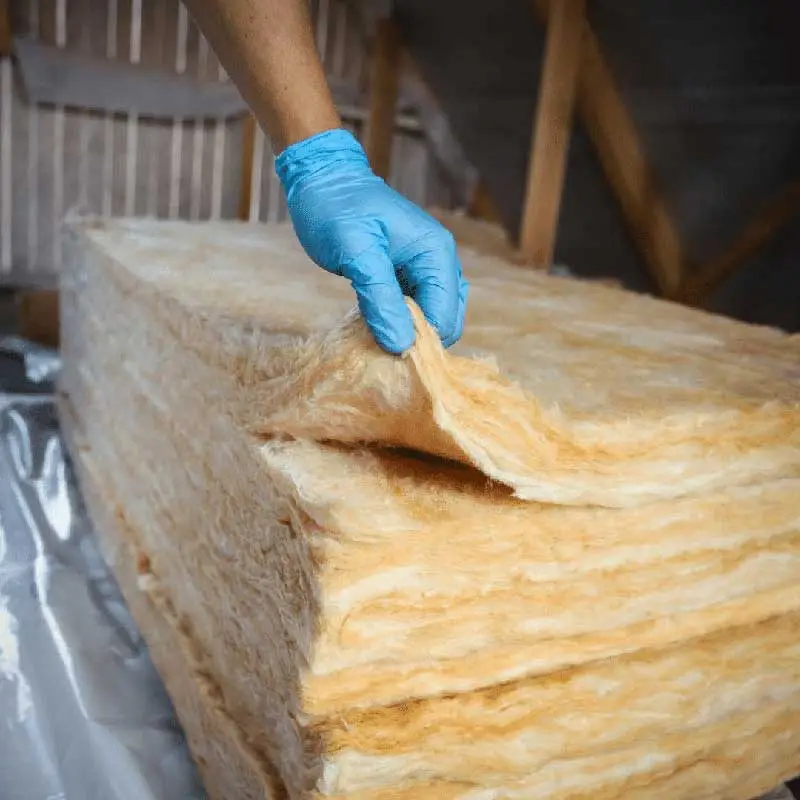
Choosing the Right Attic Insulation in 2026
Choosing attic insulation in 2026 is not just about picking a material and “adding more.” The best insulation choice depends on your climate, your home’s layout, the condition of your existing attic (dust, moisture, rodent activity, duct leaks), and how well your attic is sealed. This guide breaks everything down in plain English—so you can make a smart decision that actually improves comfort, reduces energy waste, and holds up long-term.

What you’ll learn (Table of Contents)
- What’s different about attic insulation choices in 2026
- How attic insulation actually works (and why “more” isn’t always better)
- R-value basics and how to pick a realistic target
- Fiberglass vs cellulose vs mineral wool (quick comparison)
- Blown-in vs batts: which is right for your attic?
- The #1 upgrade most homeowners miss: attic air sealing
- When you should remove old insulation first
- Rodents, contamination, and why insulation “fails” early
- Ductwork + insulation: how to avoid wasting your investment
- Coastal vs inland: choosing insulation for Southern California realities
- A simple step-by-step checklist to choose correctly
- FAQ
Quick action box
If your attic has odor, droppings, or messy old insulation, “adding more” can lock in problems. The right move is usually removal + sealing + new insulation—done clean and documented.
Helpful quick links: Insulation Installation • Attic Air Sealing • Insulation Removal • Rodent Proofing • Duct Repair & Replacement • FAQs
1) What’s different about attic insulation choices in 2026?
In 2026, homeowners are choosing attic insulation with higher expectations than ever. It’s not just about “meeting a number.” People want rooms that feel consistent, HVAC systems that don’t run nonstop, and upgrades that last without needing redo work because of dust, rodents, moisture, or poor installation. On top of that, energy costs remain unpredictable, and many homeowners are planning upgrades around renovations, home sales, or long-term comfort.
The biggest shift in 2026 is that insulation is being treated as part of the whole attic system—not a standalone product. If you install great insulation on top of big air leaks, you may still feel drafts and temperature swings. If you install insulation over contaminated material, odors and indoor air quality issues can continue. If ducts are leaking or crushed, you can keep paying to heat or cool the attic instead of your living space.
2026 mindset: The “right insulation” is the one that fits your home’s needs and is installed after the attic is properly prepared—air sealed, cleaned (if needed), and protected from rodents. This is exactly why many homeowners bundle attic air sealing, sanitization, and rodent proofing with their insulation upgrade.

2) How attic insulation actually works (and why “more” isn’t always better)
Attic insulation slows heat transfer between your home and your attic. In hot months, it reduces how quickly attic heat pushes into your rooms. In cooler months, it slows how quickly warm indoor air escapes upward. That sounds simple, but here’s where homeowners get tripped up: insulation is only one part of the “thermal boundary.” The other part is air sealing.
Heat moves in three main ways: conduction, convection, and radiation. Insulation is strongest at reducing conduction. But if air can freely move through gaps around plumbing penetrations, wiring holes, recessed can lights, attic hatches, and open wall tops, you can still lose comfort because conditioned air leaks out and hot attic air leaks in.
3) R-value basics and how to pick a realistic target
R-value measures resistance to heat flow. Higher R-value means more insulating power. But the best target R-value for your attic depends on: your climate zone, your current insulation level, your HVAC usage, and whether the attic is properly sealed.
Fast rules of thumb
- If your attic is under-insulated (thin or patchy), you’ll usually feel it immediately—hot rooms, cold drafts, long HVAC run times.
- If your attic is leaky, air sealing often creates a bigger “wow” improvement than simply adding more insulation.
- If your insulation is contaminated (rodent waste/urine), it’s not just an efficiency issue—it’s a hygiene issue.
4) Fiberglass vs cellulose vs mineral wool (quick comparison)
Most residential attic insulation choices fall into three practical categories: fiberglass, cellulose, and mineral wool. Each one can work extremely well when installed correctly. The “best” option depends on what you’re trying to accomplish: maximum cost efficiency, better sound dampening, a tighter fill around obstacles, or a solution that holds up in challenging attic conditions.
Bottom line: Fiberglass blown-in is a clean, consistent, proven choice when paired with air sealing and proper attic prep. If you need tighter fill and sound control, cellulose or mineral wool may be worth considering depending on your home and goals.
| Material | Best for | Watch-outs | Common attic format |
|---|---|---|---|
| Fiberglass | Balanced cost + performance, clean installation, predictable depth, proven track record. | Needs good air sealing underneath; performance drops if wind-washed or uneven. | Blown-in loose fill or batts. |
| Cellulose | Dense fill that can reduce air movement; good sound dampening; fills around obstacles. | Must stay dry; requires careful depth control and proper ventilation/air sealing. | Blown-in loose fill. |
| Mineral Wool | Great sound control; strong fire resistance; solid performance when installed correctly. | Often higher cost; best fit depends on attic layout and accessibility. | Batts (common). |
5) Blown-in vs batts: which is right for your attic?
Blown-in is usually best for attics with lots of obstacles (wiring, duct runs, odd framing), because it forms an even blanket. Batts can work well in open, accessible spaces, but they must be placed carefully with no gaps and no compression.
6) The #1 upgrade most homeowners miss: attic air sealing
Air sealing is the multiplier. Insulation slows heat flow, but air sealing stops the leaks that make your home feel drafty and inconsistent. That’s why the best results come from sealing first, then insulating.
See our process: Attic Air Sealing.
7) When should you remove old insulation before installing new?
You can add insulation over existing material only if it’s clean, dry, and intact. If there’s rodent activity, odor, staining, moisture damage, or heavy debris, removal is usually the smarter first step so you can clean, seal, and rebuild correctly.
Start here: Attic Insulation Removal and Attic Sanitization.
8) Rodents, contamination, and why insulation “fails” early
Rodents tunnel through insulation, compress it, and leave droppings/urine that can create odors and health concerns. If rodents can enter, they tend to return—so exclusion work protects your insulation investment. Learn more: Rodent Proofing Services.
9) Ductwork + insulation: how to avoid wasting your investment
Leaking or damaged ducts can dump conditioned air into the attic—hurting comfort and savings even after insulation upgrades. If airflow is weak or rooms stay uneven, review: Duct Repair & Replacement.
10) Coastal vs inland: choosing insulation for Southern California realities
Coastal homes often focus on consistent coverage and moisture/ventilation awareness, while inland homes benefit hugely from air sealing to reduce hot attic air intrusion. In both cases, correct prep is what makes the upgrade last.
11) A simple step-by-step checklist to choose correctly
The 4 checks that decide everything
- Condition: clean/dry vs contaminated or damaged
- Leaks: air sealing needs at penetrations and attic hatch
- Protection: rodent entry points sealed long-term
- Ducts: intact, supported, and not leaking
Key Attic Shield service links
12) FAQ: Choosing the right attic insulation in 2026
What is the best attic insulation for most homes in 2026?
For many Southern California homes, a properly installed blown-in fiberglass system is a strong choice because it’s clean, consistent, and proven. The best option still depends on attic condition (contamination/moisture), air sealing needs, and duct health.
Should I add insulation over old insulation or remove it first?
Add only if the existing insulation is clean, dry, and evenly installed. If there’s rodent contamination, odor, moisture damage, or heavy debris, removal and sanitization usually deliver better (and healthier) long-term results.
Do I need attic air sealing if I’m installing new insulation?
Yes—if you want the best results. Air sealing stops leaks that let conditioned air escape and hot attic air enter, which helps your insulation perform closer to its rated potential.
Can ductwork problems reduce the benefits of new insulation?
Absolutely. Leaking or damaged ducts can dump conditioned air into the attic, raising bills and causing uneven comfort even after insulation upgrades.
Ready to choose the right attic insulation plan?
If you want the decision to be simple, confirm the attic condition, air leaks, rodent entry points, and duct health first—then build the insulation plan around what you find. We’ll document everything with photos and clear recommendations.


